Steel is first: what the first ESPR Digital Product Passport means for you
16 October 2026
Iron and steel are the first product group to get passport rules under ESPR. What they are expected to require, how they connect to CBAM, and why steel buyers should prepare too.
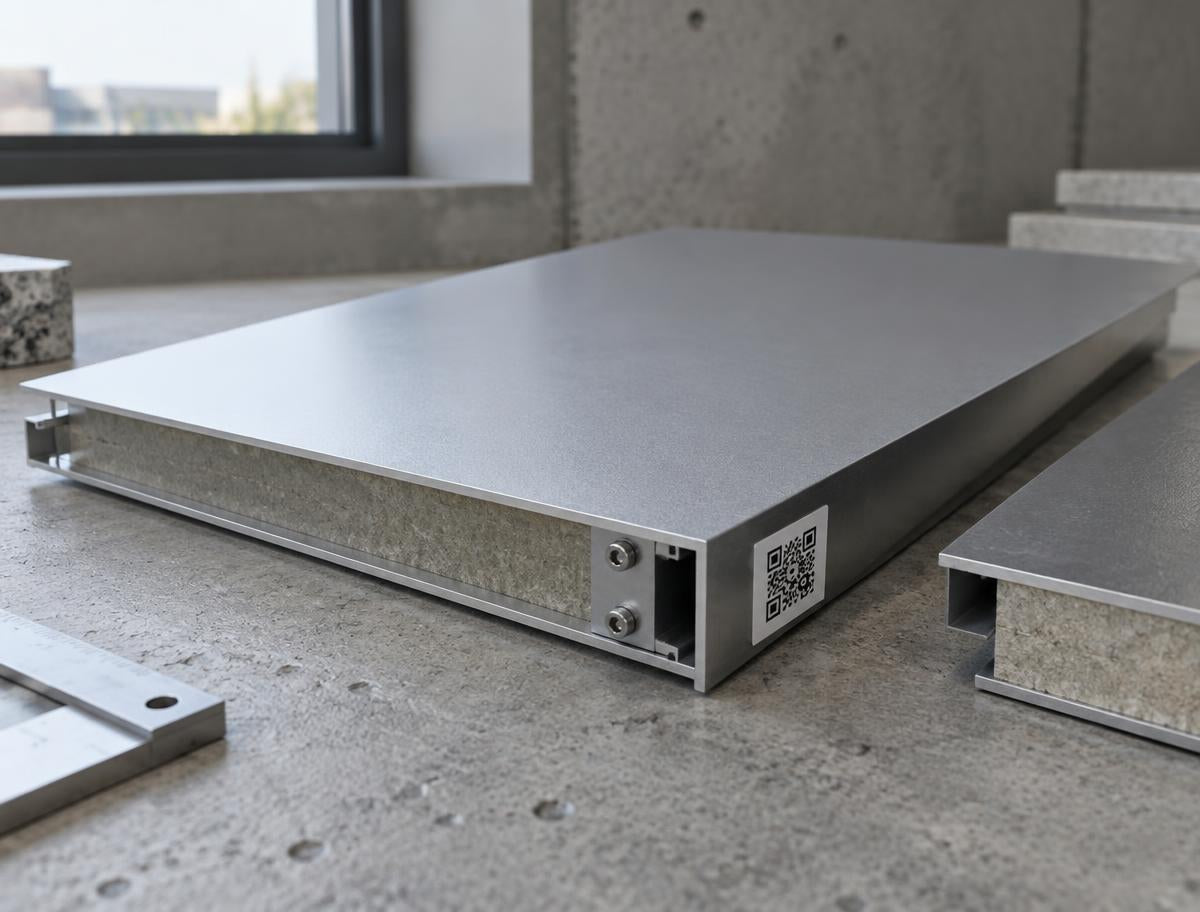
Under the Ecodesign for Sustainable Products Regulation (ESPR), Digital Product Passports arrive one product group at a time. The first group to get its own rules is iron and steel. The Commission opened a public consultation on the delegated act in May 2026 and is targeting adoption for the fourth quarter of 2026. That makes steel the test case for how ESPR passports will work in practice.
Why steel goes first
Steel is an intermediate product. It is rarely sold to consumers on its own, but it ends up in almost everything: machines, vehicles, buildings, furniture, appliances and packaging. It is also one of the most energy-intensive materials to produce. Regulating steel first means that better data enters at the very start of many supply chains.
What the rules are expected to ask for
The detailed requirements will only be fixed when the delegated act is adopted. Based on the Commission's initiative and preparatory work, the act is expected to cover:
- the carbon footprint of the steel product
- its recycled content
- key sustainability information, made available through the Digital Product Passport
As with other ESPR groups, expect a transition period after adoption before the requirements apply, typically around 18 months.
Steel and CBAM
Steel is also covered by the EU Carbon Border Adjustment Mechanism, whose definitive phase started on 1 January 2026. Importers already have to account for the embedded emissions of steel brought into the EU. Companies that build one clean, reusable record of their product emissions now will be able to serve both obligations from the same data.
Why it matters if you don't make steel
If you buy steel, or components made of it, your suppliers will soon have documented carbon footprint and recycled content data per product. That data will start to flow down the chain, and your own passports, for machinery, electronics, furniture or construction products, will increasingly be expected to use it. Supplier data you can actually trace is far stronger than industry averages.
What to do now
- List the steel and steel-based components in your bills of materials.
- Ask your steel suppliers what carbon footprint and recycled content data they can share today, and in which format.
- Check whether that data is product specific or a company average. The difference matters for your own footprint.
- Decide where this data will live once it arrives, so it does not end up in another inbox or spreadsheet.
How Arkive helps
Arkive gives each product one data record, collects supplier data against clear attribute specifications, and flags what is missing. The passport and the LCA are produced from that same record, aligned with ISO 14040, 14044 and 14067. When steel data starts arriving from your suppliers, it has a place to go.
Book a 30-minute call to see how your product data would map, or start with your first 5 passports for free.