What is a Digital Product Passport (DPP)? A simple guide for 2026
14 October 2025
A Digital Product Passport (DPP) is a digital record of a product, opened with a QR code. This simple guide explains what it contains, who needs one, when it becomes mandatory and how to make one.
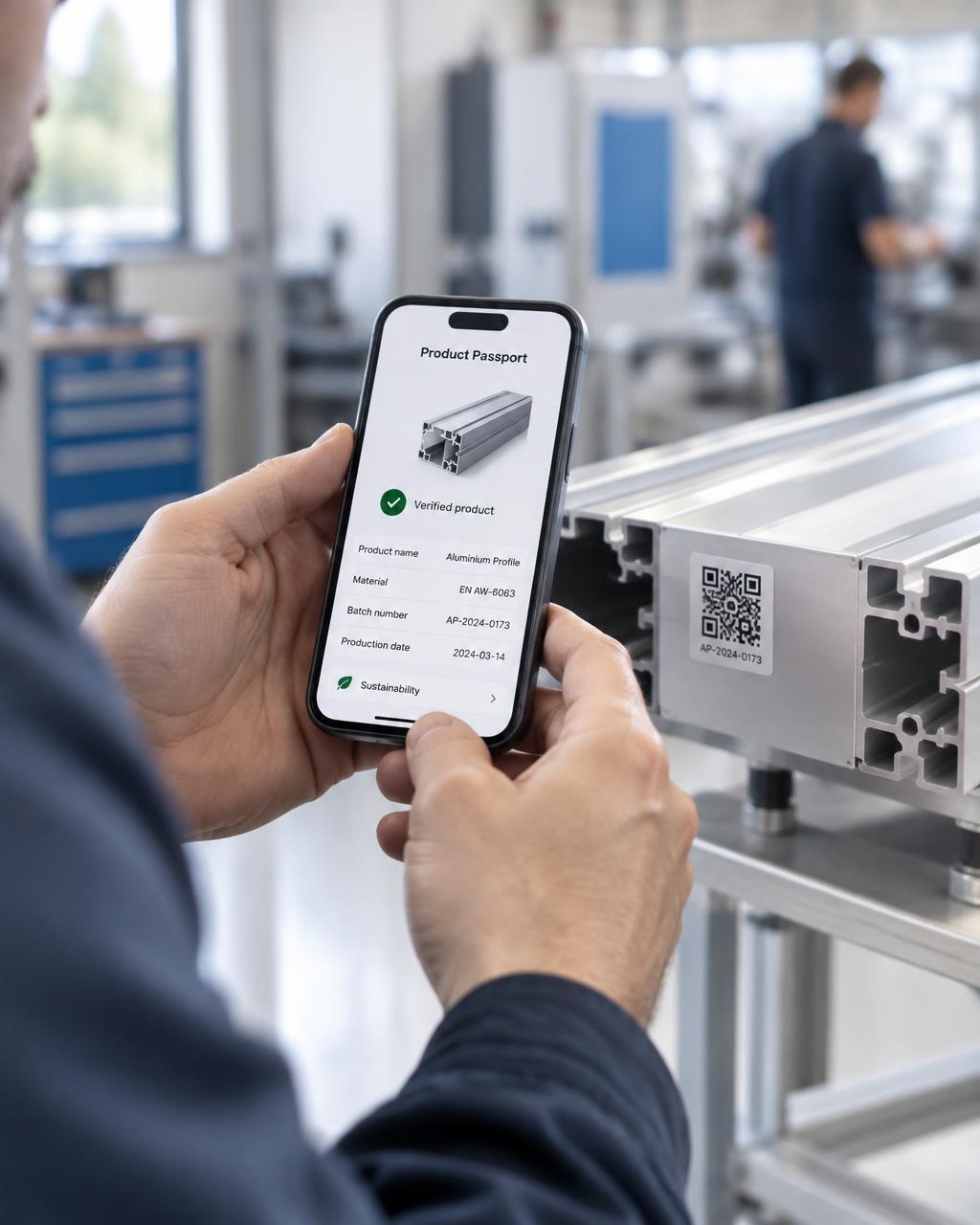
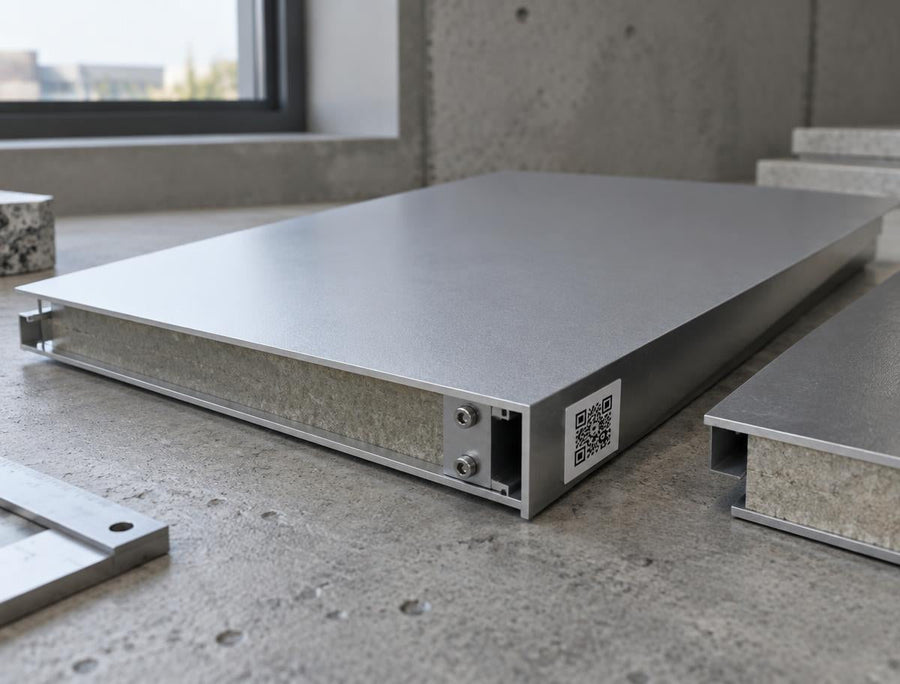
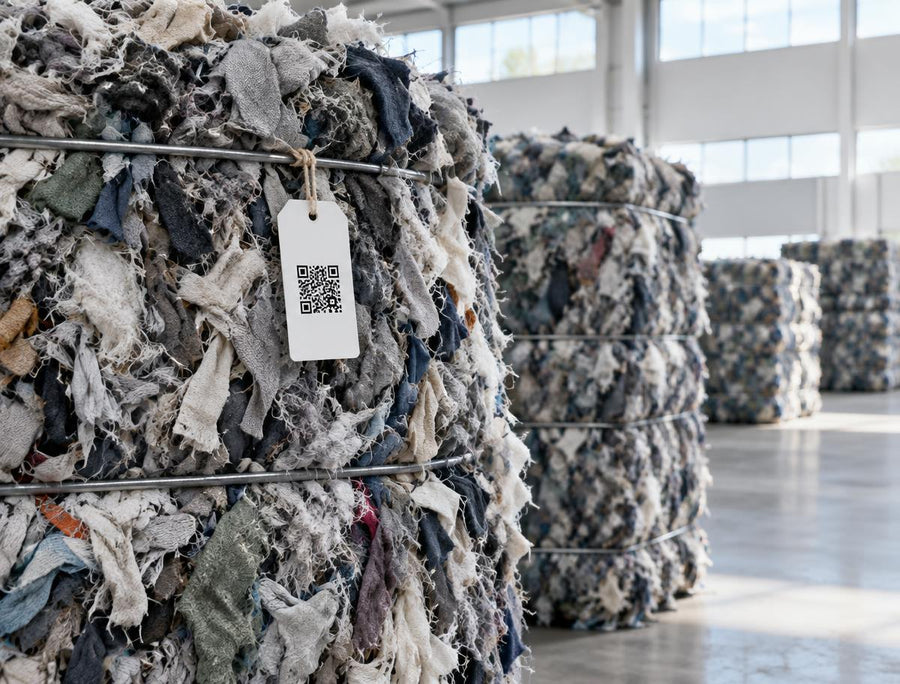
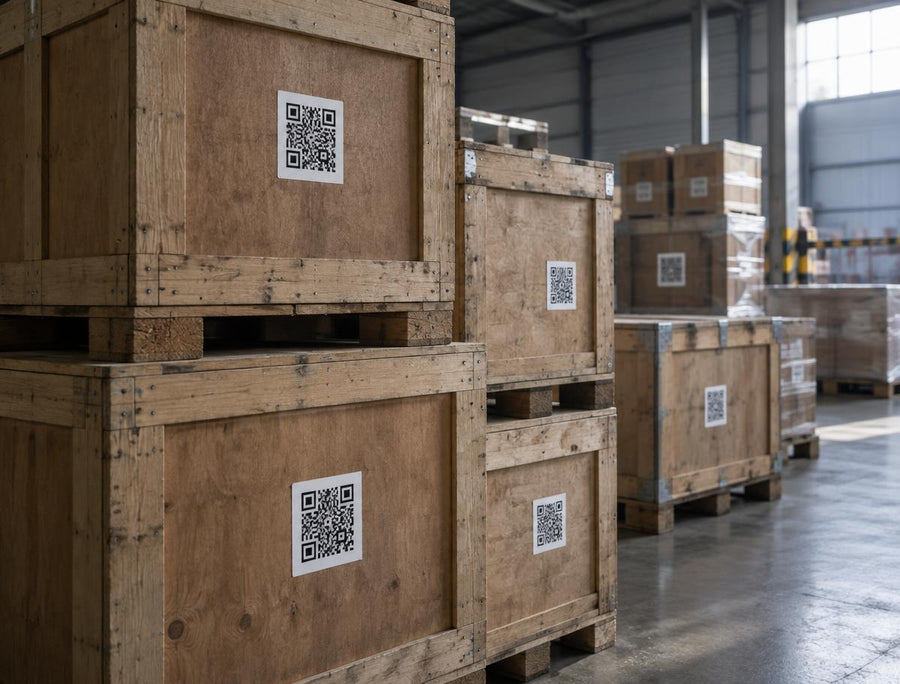
A Digital Product Passport (DPP) is a digital record of a physical product. You open it by scanning a QR code or another data carrier on the product, its label or its packaging. It tells you what the product is, what it is made of, where it comes from, what its environmental impact is, and how to use, repair and recycle it.
The EU is making the passport mandatory step by step under the Ecodesign for Sustainable Products Regulation (ESPR) and, for batteries, the EU Battery Regulation. This guide explains it in plain words.
What does a Digital Product Passport contain?
The exact fields depend on the product group, but most passports include:
- Identity. A unique product identifier, model, batch or serial number, and the manufacturer.
- Composition. Materials and ingredients, recycled content and substances of concern.
- Origin. Where the materials and the product come from.
- Environmental impact. For example the carbon footprint, calculated with a life cycle assessment (LCA).
- Use and repair. Care instructions, spare parts and repair information.
- End of life. How to dismantle, reuse or recycle the product.
- Compliance. Certificates and the declaration of conformity.
Want to see a real example? Read how a passport and its LCA are built for one t-shirt.
Who needs a Digital Product Passport?
Any company that places a covered product on the EU market. That includes manufacturers, importers, distributors and brand owners, also from outside the EU. If you sell into Europe, it applies to you. US brands, read why you can no longer ignore the DPP.
When does the DPP become mandatory?
- Batteries come first, from 18 February 2027, under the EU Battery Regulation. See what to prepare for the battery passport.
- Iron and steel are expected to be the first ESPR product group. Read why steel is first.
- Textiles, tyres, aluminium, furniture and more follow, each through its own delegated act and deadline, usually with a transition period of around 18 months.
The EU DPP registry went live in July 2026. It works like an address book that records that a passport exists and where it lives. Read what the registry does and doesn't do.
Why the Digital Product Passport matters for your business
- Market access. Once your product group's rules apply, products without a valid passport cannot be sold in the EU.
- Trust. Customers can check your claims, which protects you from greenwashing risks.
- Insight. You see where your cost and CO₂ hotspots are, per lifecycle stage.
- Brand protection. QR scans show where your products really end up, which helps detect grey market sales.
- Circularity. Repairers and recyclers get the information they need.
DPP vs LCA, what is the difference?
The passport is the record that follows the product. The LCA is the calculation of its environmental impact. You need both. In Arkive they are built from the same data, so they never contradict each other. The LCA covers six stages, sourcing, production, warehousing, sales points, usage and end of life, with pre and post consumer waste.
How to make a Digital Product Passport
- List your products and the product groups they fall under.
- Collect the data you already have, from your webshop, PIM, ERP or spreadsheets.
- Map the locations your materials and products pass through, with in and out dates.
- Choose DPP software that can calculate the LCA too. Compare the best DPP software in 2026.
- Publish and connect a QR code to each product, and register it when your product group requires it.
Frequently asked questions
Is a Digital Product Passport the same as a QR code?
No. The QR code is only the door. The passport is the data behind it, and keeping that data correct and current is the real work.
Can I make a Digital Product Passport for free?
Yes. With Arkive your first 5 passports are free. Read our guide to a free Digital Product Passport.
Where is the passport data stored?
With you or your passport service provider. The EU registry only stores the identifier and a link, not your product data.
Get started
Make your free DPP in about 2 minutes or book a demo to see Arkive with your own products.